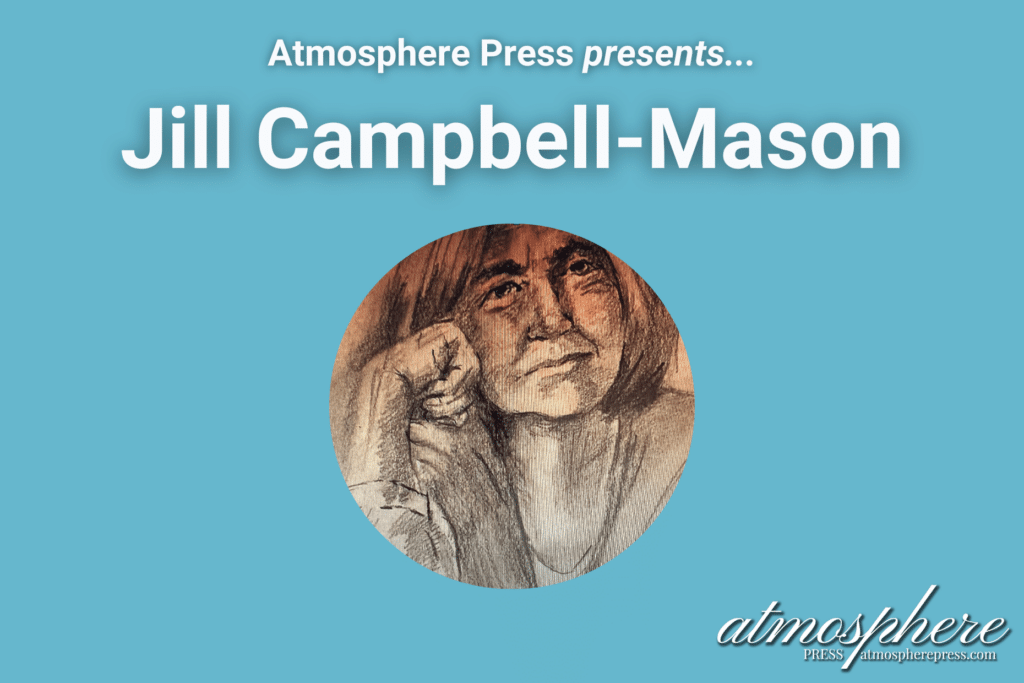
Who/what made you want to write? Was there a particular person, or particular writers/works/art forms that influenced you?
The vagaries of life which began at an early age made me long to share some of the unique, heart-breaking, heart-bending, and uplifting events that occur in every human life, but particularly poignant in my own.
When, at the age of twelve, I was asked if I wanted a pony or a brother at about Christmastime, I longed for a pony but knew “a brother” was the best answer. Within a year, we had adopted the first of my two brothers, a Japanese-American. The second came less than a year later, pure Cherokee.
A white family in the Midwest did not have multiracial children. But my parents’ acceptance and love of them transformed our suburb, as well as my view of the world.
PUT IT IN WRITING SO IT IS NEVER LOST, I told myself.
And so it began.
And so it continues.
Books hold love over generations.
I wanted to be a part of that.
And am beginning.
Aren’t we always?
What inspired you to start writing this book?
This book begins with a true story, one that happened to me at the foot of Macchu Pichu twenty years ago when a ragged shoe-shine boy shined my tennis shoes and then turned his eyes upon me with the question, “Will you be my godmother?”
How could I refuse?
But how could I accept?
Tell us the story of your book’s title. Was it easy to find, or did it take forever?
The title of the book came unintentionally, but truly from the heart. It grew, as Mario did, in my imagination, and in my memories.
That boy, who would be thirty-three years old today—what became of him? Where is that purest of souls?
I wondered and I wrote.
The book itself tells how one life expands, contracts, and then touches all the shores of the ocean. Nothing can contain a life such as his.
Can it?
If your book had a soundtrack, what are some songs that would be on it?
El Condor Pasa. The condor that flies overhead, over the Andes. That condor casts a shadow over all beneath it.
What books did you read (for research or comfort) throughout your writing process?
I read about other cultures to develop an understanding that surpasses our own small viewpoints. I read for both comfort and research. Historical novels tell us history from the intimate viewpoints of people living in times that we cannot retrace as we live in a century with so much given in technology as well as material goods. They expand our lives, as Mario continues to do.
I am reading the series written by the Scotchman Alexander McCall Smith about the Number 1 Ladies Detective Agency, set in Botswana with people whose values are pure, yet deep. I read approximately a book a week. For each, I choose a 4×6″ photo I’ve taken in the past as a bookmark. As I read, I noted passages that were summative, wise, or surprising. When I finished reading, I wrote that quote which best described the “fee” the author gave, the title, author, page quoted in the book, and date read.
Hundreds of these such notes have been written over the past ten years. Most are carried in my mind.
They are saved in yearly clumps, often resurrected.
What is one thing you hope readers take away from reading your book? How do you envision your perfect reader?
The simplest things can be the most enheartening.
Gratitude is inherent in giving, not in greed or acquisition.
Hope itself can never be stomped out. It is an integral part of the human spirit. Understanding other cultures is the beginning of wisdom. The beginning of letting the sun shine into your life.
Are you a writer, too? Submit your manuscript to Atmosphere Press.
 An Interview with Cindy Kate Wills
 An Interview with Kimberly Heiman
 An Interview with Sehaj Kasture
 An Interview with Mike Michalak