An Interview with Kim Alfonso
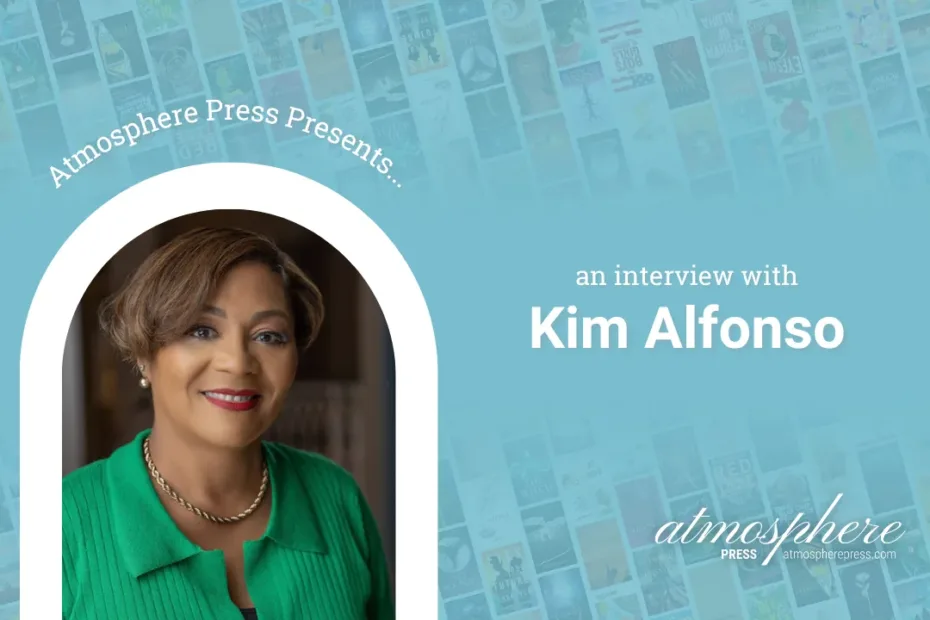
Kim Greenfield Alfonso, MBA, is an entrepreneur, executive leader, and passionate advocate for accessibility and inclusion. She is the CEO of Results One LLC, a certified minority- and woman-owned business that partners with organizations to make their digital content, workplaces, and programs accessible to all.
Kim brings more than three decades of leadership experience across corporate and nonprofit sectors, including over twenty-five years in the pharmaceutical industry and more than a decade as chief operating officer of Columbia Lighthouse for the Blind.
Throughout her career, she has served on numerous local and national disability boards, contributing to initiatives that expand access, equity, and opportunity for individuals with disabilities.
As a certified ADA trainer and trusted advisor, Kim works with government agencies, nonprofits, and corporations to navigate accessibility, compliance, and inclusive practices.
Her work is also deeply personal. As the mother of a daughter who is visually impaired, Kim has spent years navigating education systems, advocating for access, and helping her daughter build confidence, independence, and a strong sense of identity. That journey transformed her purpose—fuelling her commitment to ensuring that no individual is excluded from opportunity due to inaccessibility.
Kim believes that accessibility is not just about compliance—it is about dignity, independence, and belonging. Through this book, she shares her experiences, lessons, and insights to support other parents navigating similar journeys and to inspire a more inclusive future for all.
Who/what made you want to write? Was there a particular person, or particular writers/works/art forms that influenced you?
When Allie was born with a visual impairment, I entered a world I knew nothing about. Like many parents, I was overwhelmed by the diagnosis, the uncertainty, and the countless questions about what the future would hold. Along the way, I learned lessons I never expected to learn—about advocacy, resilience, inclusion, and the incredible strength that children and families possess.
For years, friends, family members, and other parents encouraged me to write down our experiences. They would often say, “You have a story that needs to be told,” or “Your journey could help another parent who is just beginning theirs.” At first, I dismissed the idea. I was busy raising a child, building a career, and later dedicating my life’s work to disability advocacy and accessibility. But the stories stayed with me.
What ultimately inspired me to write was the realization that I wasn’t alone—and neither were the thousands of other parents navigating a disability journey. I wanted to create the book I wish I had when Allie was born. A book that was honest about the challenges but equally honest about the joy, hope, and unexpected blessings that come with raising a child with a disability.
I have also been inspired by the many families, advocates, educators, and disability leaders I have met throughout the years. Their courage, perseverance, and commitment to creating a more inclusive world reinforced my belief that our stories matter. Every parent has moments of doubt, fear, triumph, and growth. Sharing those experiences helps others realize they are not alone.
More than anything, writing became a way to transform personal experience into purpose. What began as my journey as a mother evolved into a lifelong commitment to advocacy, accessibility, and inclusion. Through my writing, I hope to encourage parents, educate communities, and remind readers that while the journey may not be the one they planned, it can still be filled with love, possibility, and extraordinary moments.
In many ways, this book is a love letter—to my daughter, to the disability community, and to every parent who has ever wondered if they were strong enough for the journey ahead.
What inspired you to start writing this book?
The inspiration for this book came from my daughter, Allie, and the journey our family has traveled since the day she was born with a visual impairment.
Like many parents, I was completely unprepared for the diagnosis. I entered a world filled with uncertainty, medical appointments, educational meetings, advocacy efforts, and countless questions about the future. Along the way, I experienced fear, grief, hope, frustration, joy, and pride—often all at the same time.
Over the years, I met many parents who were beginning their own disability journey. I found myself sharing stories, lessons learned, and words of encouragement. Again and again, parents would tell me, “I wish someone had told me that,” or “I thought I was the only one feeling this way.” Those conversations made me realize how much families need honest, practical, and hopeful guidance from someone who has walked the path before them.
I wrote this book because I wanted to create the resource I wish I had when Allie was first diagnosed. A book that acknowledges the challenges but also celebrates the victories. A book that reminds parents that while the journey may not be the one they expected, it can still be filled with love, purpose, growth, and extraordinary moments.
Writing this book also gave me an opportunity to reflect on how a deeply personal experience became my life’s work. What began as advocating for my daughter eventually led me to a career dedicated to accessibility, inclusion, and creating opportunities for people with disabilities.
Most importantly, I wrote this book to let parents know they are not alone. There is no perfect roadmap for raising a child with a disability, but there is strength in community, wisdom in shared experiences, and hope in knowing that every challenge can become an opportunity for growth.
This book is my way of reaching back and taking the hand of another parent who may be standing where I once stood and saying, “You can do this. One step, one hug, and one day at a time.”
Tell us the story of your book’s title. Was it easy to find, or did it take forever?
The title actually evolved over time. Like many authors, I started with several working titles before I found the one that truly captured the heart of the book.
At first, I focused on the challenges of raising a child with a disability—the uncertainty, the advocacy, and the unexpected twists along the way. But the more I wrote, the more I realized this book wasn’t really about disability. It was about a journey. A journey that no parent plans for, but one that changes you in ways you never imagined.
That’s how the title We’re Off on a Journey Few Understand: Raising a Child with a Disability came to life.
The phrase reflects exactly how many parents feel when they receive a diagnosis. Suddenly, they find themselves traveling a road that family members, friends, coworkers, and even professionals may not fully understand. It’s a journey filled with appointments, evaluations, IEP meetings, therapies, victories, setbacks, advocacy, and countless acts of love.
At the same time, the title is intentionally hopeful. The words ‘we’re off’ suggest movement, progress, and possibility. This isn’t a book about limitations—it’s a book about growth, resilience, and discovering strengths you never knew you had.
The title was also inspired by my love of storytelling and the whimsical style of Dr. Seuss. Throughout my daughter’s life, I’ve often thought about how parenting a child with a disability feels like being handed a map you never expected and then learning to find beauty, joy, and purpose along the way.
So, did it take forever? Not forever—but it certainly took time. The title had to do more than describe the book. It had to capture the emotions, challenges, and hope that define the journey. When I finally landed on it, I knew it was the right one because it felt like an invitation to every parent who has ever wondered, “Is anyone else traveling this road too?”
If your book had a soundtrack, what are some songs that would be on it?
Fight Song by Rachel Platten; Wind Beneath My Wings by Bette Midler; Defying Gravity from Wicked; Roar by Katy Perry; and Count on Me by Bruno Mars.
What other professions have you worked in? What’s something about you that your readers wouldn’t know?
I have worked in the pharmaceutical industry, where I was one of the first Black female sales managers and worked to increase the number of minorities and females in the pharmaceutical industry. I love to knit, crochet, and make jewelry. I also am passionate about networking and making connections and was recognized by the Washington Business Journal as a Connector. I also was awarded the Presidential Lifetime Achievement Award in 2025 (Biden Administration) for Volunteer Service.
What books did you read (for research or comfort) throughout your writing process?
I did not read books in the disability field but found myself returning to some of the books that have inspired me throughout my life, especially the works of Dr. Seuss. Two of my favorites were Oh, the Places You’ll Go! and The Sneetches and Other Stories.
Oh, the Places You’ll Go! has always resonated with me because it reminds readers that life is a journey filled with unexpected twists, challenges, detours, and triumphs. That message closely mirrors the experience of raising a child with a disability. As parents, we often find ourselves traveling a road we never expected, learning lessons we never anticipated, and discovering strengths we never knew we possessed.
The Sneetches influenced me for a different reason. Its message about acceptance, belonging, and recognizing the value of every individual aligns with many of the themes in my book. Throughout my daughter’s life, I have worked to ensure that she—and all people with disabilities—are included, valued, and recognized for their abilities rather than defined by their differences.
What advice would you give your past self at the start of your writing journey?
I would tell myself: Just start writing. Don’t worry about getting it perfect.
For years, I carried this story in my heart. I thought about writing it many times, but I kept telling myself I needed more time, more experience, or a better outline. I started writing this book five years ago. Looking back, I realize that the hardest part wasn’t writing the book—it was giving myself permission to begin and to be vulnerable as not all of my memories were happy ones. I wanted to forget them. I would also tell myself that this book isn’t just about raising a child with a disability. It’s about love, faith, hope, advocacy, and discovering strengths you never knew you had. It’s about finding joy in a journey you never expected to take. Finally, I would tell myself something I wish every aspiring author knew: Your story matters.
There is another parent, somewhere, who needs to hear it. There is someone who feels alone, overwhelmed, or uncertain about the road ahead. Your experiences may become the encouragement, guidance, or hope they need.
What’s one thing you hope sticks with readers after they finish your book?
If there is one thing I hope readers take away from this book, it is this: You are stronger than you think, and you are not alone.
When my daughter was diagnosed with a visual impairment, I felt overwhelmed by fear, uncertainty, and questions about the future. Like many parents, I worried about what she would be able to do, what opportunities she would have, and whether I was equipped to help her navigate the world. What I learned over the years is that none of us begins this journey with all the answers. We learn as we go. We make mistakes. We adjust. We advocate. We celebrate victories that others may never fully understand. And through it all, we discover strengths we never knew we had.
Are you a writer, too? Submit your manuscript to Atmosphere Press.
Atmosphere Press is a selective hybrid publisher founded in 2015 on the principles of Honesty, Transparency, Professionalism, Kindness, and Making Your Book Awesome. Our books have won dozens of awards and sold tens of thousands of copies. If you’re interested in learning more, or seeking publication for your own work, please explore the links below.