An Interview with Marina Lizio
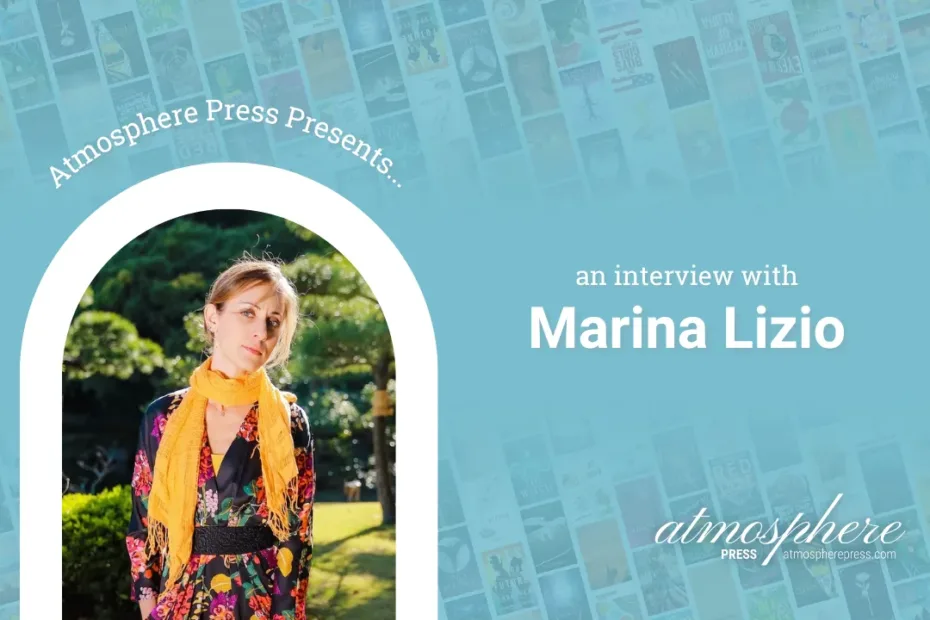
Marina Lizio is a data scientist and a writer. She grew up in Sicily, Italy, where she studied computer science and bioinformatics. She moved to Japan in 2006, working as a bioinformatics researcher at the RIKEN institute in Yokohama until 2019.
As an expat, she kept track of her daily struggles, first impressions, and cultural shocks by posting on a blog titled Nihongo Wakarimasen — I don’t understand Japanese.
Nihongo Wakarimasen is also the title of her first book, a memoir of her experience living and working in Japan as a foreign woman.
She now lives in England.
Tell us the story of your book’s title. Was it easy to find, or did it take forever?
It was very easy to come up with the title! I took inspiration from the blog I used to keep while in Japan, with the same title. I first tried to think of something else, but I kept returning to Nihongo Wakarimasen, I don’t understand Japanese, and eventually it won.
How did it feel when you first saw your book cover? Or when you first held your book in your hands?
Seeing the book cover for the first time was so exciting! I had given a few pointers to Ronaldo’s designers team, and they nailed the cover image on the first try. It was perfect.
When I received the author copy, I could hardly believe that book I was holding was my book. I was also impressed by the texture of the paper, so smooth and soft! It was like touching a brand new fur coat.
Who/what made you want to write? Was there a particular person, or particular writers/works/art forms that influenced you?
If we go back to the days I kept the blog, the idea was to be able to share my experiences and impression with friends and family back home. But I later realized I liked writing and I happened to do a lot of it as a part of my job; working in a research institute indeed involved writing scientific articles. There was something satisfactory about being able to reduce years of research into a concise, complete, scientifically sound, and, most importantly, understandable story with a wider audience, academic or not. While working towards obtaining my PhD, I even toyed with the idea of becoming an editor, that’s how much I liked the whole process.
I didn’t become an editor, but after I left Japan, I came across several memoirs published recently, written by foreigners who had lived and worked in Japan, and, feeling half curious and half nostalgic, I wanted to know how they fared, what places they went to, if they experienced the same things I did. That’s when I spotted a pattern: all memoirs I read were written by males in their twenties or thirties who went to Japan to teach English. And there and then I thought, “If these guys could write a book after one or four or ten years in Japan, so could I. So I shall.”
What other professions have you worked in? What’s something about you that your readers wouldn’t know?
I am not a full time writer; I am a data scientist. I started working in the public sector as a bioinformatician, and my first job was at a research institute in Japan. After several years, I got my PhD degree, while at the same time still working at the very same institute, and I stayed there until I left Japan. Then I moved to the UK and switched to industry, where the application of my bioinformatics skills got more focused towards neurodegeneration.
What was the most rewarding/meaningful part of publishing your book?
The comments from all the wonderful people I met in Japan saying that reading my book brought them back to those years.
And the fact I can add ‘published author’ to my accomplishments!
What is one thing you hope readers take away from reading your book? How do you envision your perfect reader?
My hope is that readers can grasp the reality of living in a foreign country, its pros and cons. But most importantly, I hope they see a woman who adapted and grew personally and professionally, while trying to keep it together as best as she could.
Anyone who has had the opportunity to live abroad, or who is currently living abroad, will find their experiences have a lot in common with mine. And those who are about to embark on a similar journey will be able to set their expectations right.
What creative projects are you currently working on?
There is a follow-up book in the works! Not another memoir; rather, what academics would call ‘supplemental material,’ a document where all the details about the main article end up due to word count limitations. It is going to be a book more about Japan and less about me, because there is so much more about Japan that impressed me that people should know.
How was working with Atmosphere Press? What would you tell other writers who want to publish?
The process was simple, seamless, and author-focused all the way. Support is always one e-mail or call away and everyone has been welcoming and friendly, while keeping everything professional at the same time. It’s been a pleasure working with AP.
Are you a writer, too? Submit your manuscript to Atmosphere Press.
Atmosphere Press is a selective hybrid publisher founded in 2015 on the principles of Honesty, Transparency, Professionalism, Kindness, and Making Your Book Awesome. Our books have won dozens of awards and sold tens of thousands of copies. If you’re interested in learning more, or seeking publication for your own work, please explore the links below.