

A Guide to Creating Authentic Neurodivergent Characters in Fiction
Writers often struggle to portray neurodivergent characters authentically. Too often, characters are reduced to stereotypes—the “mad genius,” the socially awkward sidekick, or the quirky token whose only role is to support the protagonist. These shortcuts are easy, but they don’t reflect real people.
Authentic neurodivergent characters go beyond a label. Their neurodivergence shapes how they experience the world, but it doesn’t define everything about them. Realistic characters bring depth, enrich your story, and connect with readers in ways stereotypes never can.
When creating neurodivergent characters, focus on:
✱ Perspective over traits: Show how their brain affects perception and decision-making.
✱ Strengths and challenges: Balance abilities with real-world difficulties.
✱ Personality first: Let quirks, goals, and desires make them feel like full people.
✱ Subtlety over labels: Avoid announcing neurodivergence—show it naturally through actions and thoughts.
This approach not only makes your story stronger but also validates neurodivergent readers who rarely see themselves reflected in fiction.
Understanding Neurodiversity
Neurodiversity is the idea that brains come in many different wiring styles. Being neurodivergent doesn’t mean “broken” or “less than.” It just means your character experiences the world in a different way.
Common neurotypes you might write:
Autism – Differences in social interaction, sensory perception, and routines.
ADHD – Challenges with attention, impulsivity, and hyperfocus.
Dyslexia – Differences in reading, writing, and processing language.
Other cognitive differences – Dyspraxia, Tourette’s, anxiety, sensory processing differences, etc.
Notes for writers:
➜ No two neurodivergent people are the same. Even within a single diagnosis, experiences vary widely.
➜ Avoid stereotypes. Don’t assume a trait defines the whole character.
➜ Think spectrum, not checklist. One character might struggle socially but excel in focus. Another might be socially savvy but overwhelmed by sensory input.
Focus on how their brain affects perspective and behavior, not just surface traits. Sensory reactions, attention patterns, or emotional intensity can add authenticity without turning the character into a stereotype.
Researching Neurodivergent Experiences
You can’t write an authentic neurodivergent character from assumptions alone. Research is your best tool.
First-Person Accounts
Memoirs, essays, blogs, and social media posts offer insight straight from lived experience. Look for patterns, but remember each person’s experience is unique—don’t copy verbatim.
Sensitivity Readers or Experts
Neurodivergent readers can tell you what feels true and what doesn’t, while specialists—therapists, educators, or advocates—can clarify traits you might misinterpret.
Observation
Media, interviews, and documentaries can help you notice behaviors, communication styles, and sensory responses. Respect boundaries—don’t treat real people as research subjects.
Take notes on nuance:
➜ How does your character’s attention shift in a crowded room?
➜ How do they experience routine tasks, transitions, or social expectations?
➜ Small details—like sensory triggers or focus patterns—can make a character feel lived-in.
Combine multiple sources. A single blog post or book won’t capture the full spectrum. Layer insights for a character who feels authentic, not like a checklist.
Creating Authentic Neurodivergent Characters
Writing a neurodivergent character isn’t about ticking boxes. It’s about creating a person with depth, quirks, strengths, and struggles.
Avoid Stereotypes
The “magical savant” or “awkward sidekick” are clichés. Don’t reduce your character to one trait or one challenge. Neurodivergence is part of who they are, not the entirety of their personality.
Focus on Nuance
Think about how neurodivergence shapes perspective, not just behavior: ow does your character handle stress, change, or sensory input? What passions, habits, or coping mechanisms do they have?
Make it Natural
Don’t announce neurodivergence like a label. Show it through actions, thoughts, and interactions. Sensory experiences, attention patterns, and social reactions can reveal neurodivergence subtly but clearly.
Balance Challenges and Strengths
A character might struggle with organization but have extraordinary empathy or insight. Showing both makes them human, relatable, and authentic.
Treat your character like a full person. Their neurodivergence should inform the story but never define the story.
Dialogue, Perspective, and Voice
How your neurodivergent character thinks and speaks is key to authenticity. It’s not just about what they say—it’s how they process the world.
Inner Thoughts & Sensory Perspective
✦ Show how they experience sights, sounds, textures, or emotions differently.
✦ A crowded room might feel overwhelming, a sudden noise jarring, or a pattern fascinating.
✦ Use concise sensory details to bring the reader into their perspective.
Dialogue & Communication Style
✦ Some characters might be very literal; others may take longer to respond.
✦ Interruptions, tangents, or hyper-focus can be natural traits.
✦ Avoid caricature; subtle differences work better than exaggerated quirks.
POV Considerations
✦ First-person can immerse readers in a neurodivergent mindset.
✦ Third-person limited can still highlight sensory experiences and thought patterns without labeling the character constantly.
Let the character’s perspective shape the scene. Their attention, emotional reactions, and sensory experiences can make dialogue and narration feel authentic without calling it out.
Pitfalls to Avoid when Writing Neurodivergent Characters
Even well-meaning writers can slip into common traps when creating neurodivergent characters. Knowing these ahead of time will save your story from feeling shallow or stereotyped.
1. Defining a character solely by neurodivergence
Their diagnosis shouldn’t be the plot or personality. Make sure they have goals, fears, and quirks beyond it.
2. Using neurodivergence as a plot device
Don’t make challenges exist just to create drama or teach lessons. Their traits should influence their perspective naturally, not manipulate the story.
3. Overgeneralizing or romanticizing
Not every neurodivergent person is a genius, savant, or socially awkward. Avoid idealizing traits; show both strengths and struggles.
4. Relying on stereotypes or shorthand
“Quirky,” “awkward,” or “special” aren’t enough. Nuance beats cliché every time.
Step back and ask: Does this character feel like a real person or a collection of traits? If it’s the latter, it’s time to rethink.
Practical Writing Exercises
Writing neurodivergent characters takes practice. These exercises help you capture authenticity without falling into stereotypes.
Step into their shoes
Write a day in your character’s life from their perspective.
Focus on how they notice details, process information, or react to sensory input.
Play with sensory focus
Pick a scene and describe it, emphasizing what your character sees, hears, smells, or feels.
Compare it to how a neurotypical character might perceive the same scene.
Experiment with attention and thought patterns
Write a conversation from your character’s POV. Include tangents, hyper-focus, or literal interpretations.
Notice what feels natural versus forced.
Mix strengths and struggles
Create a mini “character snapshot”: list three strengths and three challenges influenced by neurodivergence.
Use these as touchstones when writing scenes.
Try multiple exercises before finalizing a character. The more you explore their perspective, the more authentic and nuanced they’ll feel.
Resources for Writers
You don’t have to guess when it comes to writing neurodivergent characters. These books, podcasts, communities, and sensitivity readers give you real-world insight straight from lived experience.
Books & Memoirs
✧ NeuroTribes by Steve Silberman — A deep dive into autism history and society’s understanding of neurodiversity.
✧ The Reason I Jump by Naoki Higashida — A first-person perspective from a nonverbal autistic teen.
✧ Look Me in the Eye by John Elder Robison — Memoir highlighting life as an autistic adult, great for character voice and lived detail.
✧ Driven to Distraction by Edward M. Hallowell & John J. Ratey — Classic guide to ADHD patterns and daily life.
✧ Overcoming Dyslexia by Sally Shaywitz — Research-based understanding of dyslexia to inform authentic character traits.
✧ Uniquely Human by Barry Prizant — Empathy-first insights into autistic behavior and experiences.
Podcasts & Audio
✧ ADHD Essentials — Practical episodes on ADHD in everyday life, routines, and relationships.
✧ Neurodiversity Podcast — Interviews with advocates, clinicians, and neurodivergent creators sharing lived experiences.
Sensitivity Readers & Consultants
✧ Authors Guild Marketplace — Listings for neurodiversity sensitivity readers and professional consultants.
✧ Writing Diversely — Hub to hire sensitivity readers across identities, including neurodivergent reviewers.
✧ Firefly Creative Writing — Directory of sensitivity readers, including neurodivergent professionals.
Communities & Observation Spaces
✧ r/autism (Reddit) — Active forum for lived experiences and daily examples.
✧ r/ADHD (Reddit) — Community discussions about attention, focus, routines, and coping strategies.
✧ ASAN (Autistic Self Advocacy Network) and local advocacy groups — Great for context, resources, and connecting with lived experience communities.
Combine sources. Books and podcasts provide context and voice, communities give texture, and sensitivity readers ensure your portrayal lands respectfully. Start with first-person accounts, then layer in professional insight and observational research for the most authentic character development.
Key Takeaways on Writing Neurodivergent Characters
Writing neurodivergent characters is about nuance, empathy, and research—not checklists or stereotypes. Keep these points in mind as you create:
Neurodivergence ≠ whole character. Give them goals, fears, quirks, and strengths beyond their diagnosis.
Do your research. First-person accounts, books, podcasts, and communities give texture. Sensitivity readers check authenticity.
Focus on perspective and behavior. Sensory experiences, attention patterns, and communication style show neurodivergence naturally.
Balance strengths and struggles. Realism comes from showing both challenges and capabilities.
Avoid stereotypes and plot-device pitfalls. Don’t reduce characters to clichés or use their neurodivergence solely to create drama.
Iterate and refine. Use exercises and feedback to deepen authenticity. Characters should feel lived-in, not formulaic.
Neurodivergent characters bring fresh perspectives and emotional depth to your story. When done thoughtfully, they don’t just add diversity—they make your writing stronger, more engaging, and truly reflective of the human experience.
FAQ: Writing Neurodivergent Characters
What does “neurodivergent” mean in fiction?
A neurodivergent character experiences the world differently from neurotypical characters, including autism, ADHD, dyslexia, or other cognitive differences.
How do I write a neurodivergent character realistically?
Show how their brain affects perception and behavior. Balance strengths and challenges, and avoid stereotypes or defining them solely by diagnosis.
What common mistakes should I avoid?
Relying on clichés, reducing characters to traits, over-romanticizing neurodivergence, or using it only as a plot device.
Can neurodivergent characters be supporting characters?
Yes. All roles—main or supporting—should feel authentic and multidimensional.
How should I research neurodivergent experiences?
Use first-person memoirs, podcasts, communities, and sensitivity readers to understand authentic perspectives.
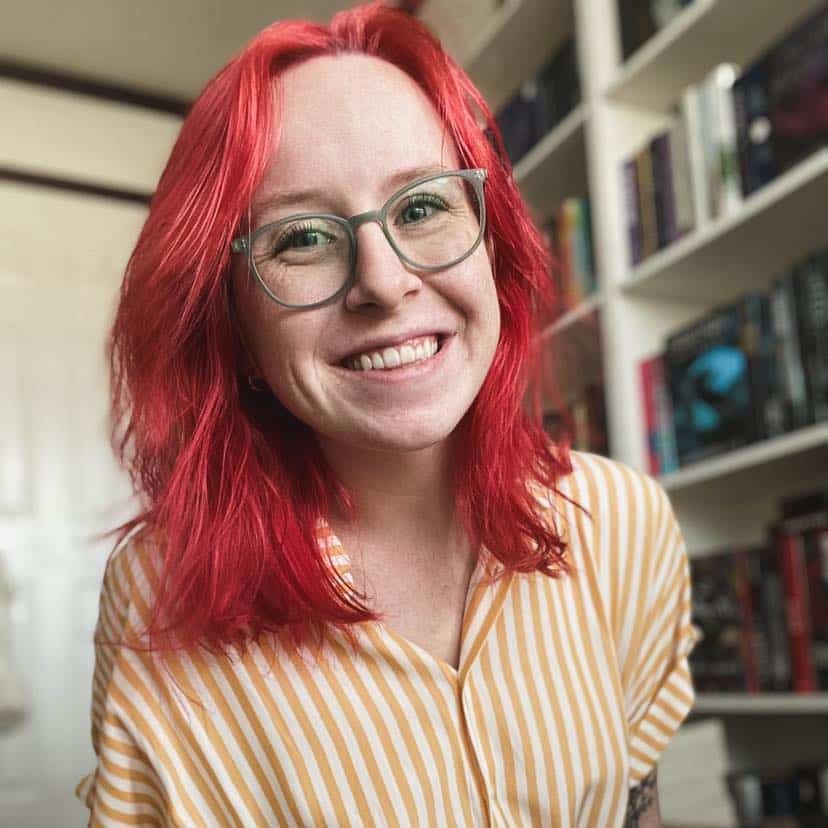
Erin K. Larson-Burnett, Production Manager at Atmosphere Press (submit your manuscript here!), is a born-and-raised Southerner currently living in Katy, Texas, with her husband and their small domestic zoo. She is an avid ink drinker who lives and breathes books—during the day, she works remotely with authors around the world, honing and perfecting books published through Atmosphere Press. By night, she crafts her own stories…or at least tries to. The Bear & the Rose is her debut novel.
