An Interview with Al Isaacs
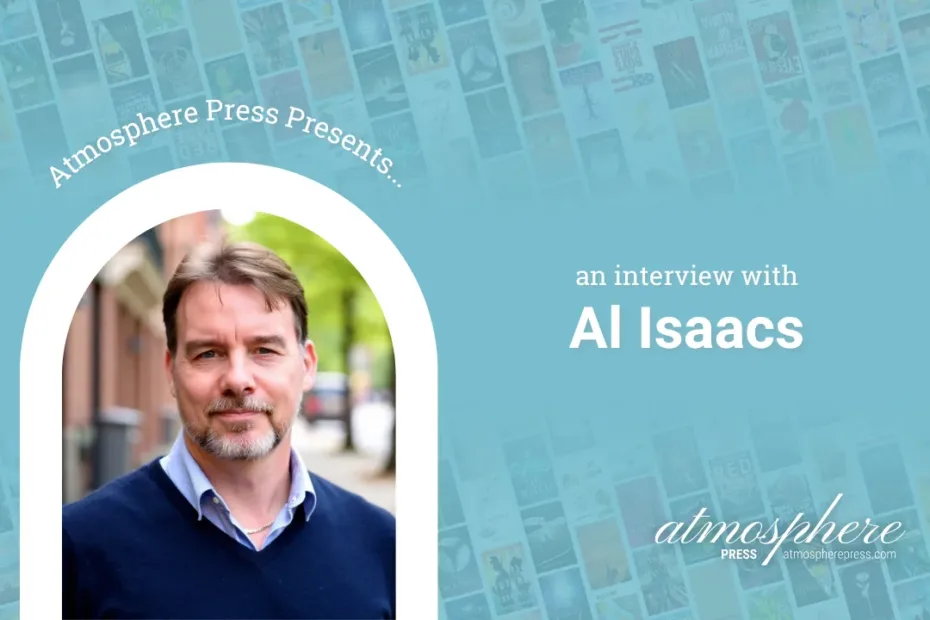
Al Isaacs is a retired comedian who was twice named Long Island’s Best Comedian by the Long Island Press. With a career that spanned clubs, stages, and classrooms, Al not only made people laugh but also taught the art of improv comedy at schools, comedy clubs, corporate workshops, and at Hofstra University. He’s been married for over thirty years to his wife Theresa and is the proud father of their son, Nick. Though retired from performing, Al continues to inspire others with the same passion and humor that defined his time on stage.
What inspired you to start writing this book?
It really started as therapy. I was dealing with a lot of issues all at once and having difficulty processing it. Writing helped, and as everything was unfolding, with some very wild plot twists, it became clearer that it might be something that I would look to publish.
Tell us the story of your book’s current title. Was it easy to find, or did it take forever?
It was initially going to be called Mary’s Guitar, since that was a big part of the story. But it sounded like it might have something to do with religion? So, I made the change.
If your book had a soundtrack, what are some songs that would be on it?
Mary was a folk singer, so plenty of great music from that genre, especially the artists who influenced her and whom she worked with.
What other professions have you worked in? What’s something about you that your readers wouldn’t know?
I was a pro wrestling journalist (stop giggling). I was a fan growing up, and my grandfather had great stories from his days as a boxer, when wrestlers used to work out in the same New York gyms. The opportunity presented itself when the internet was first a thing in the late nineties, and I had a blast doing it. Met a lot of great people and my son has now caught the bug!
Who/what made you want to write? Was there a particular person, or particular writers/works/art forms that influenced you?
Whether it was the wrestling days, or my thirty-plus years as a comedian, I’ve always enjoyed getting my thoughts down in one form or another. I’ve enjoyed reading the work of very funny people that I admired—Jon Stewart, Groucho, James Thurber, Mel Brooks. It was intimidating, but I always thought that I might take a crack at it some day. The humor aspect certainly helped me when writing about some of the heavier topics that my memoir covered, like my parents’ dementia, the difficulties and frustrations of finding my birth family, and grief in general.
Where is your favorite place to write?
Favorite or not, you can usually find me upstairs in my office, typing away.
What advice would you give your past self at the start of your writing journey?
I’d tell my past self not to wait for the ‘perfect’ time or the ‘perfect’ version of the story. The emotional truth matters more than perfection. I’d also say that writing a memoir isn’t just about remembering events—it’s about understanding them. Some of the hardest parts to write became the most meaningful. And finally, I’d remind myself that vulnerability is not weakness. The moments I worried readers might find too personal are often the moments they connect with the most.
What’s one thing you hope sticks with readers after they finish your book?
I hope readers walk away realizing that it’s never too late to discover who you are or where you come from. Even after a lifetime of believing one story about myself, I learned that identity is bigger than secrets, biology, or the past. I also hope the book reminds people that family can be found in unexpected ways, and that healing and connection are possible even after years of unanswered questions.
Are you a writer, too? Submit your manuscript to Atmosphere Press.
Atmosphere Press is a selective hybrid publisher founded in 2015 on the principles of Honesty, Transparency, Professionalism, Kindness, and Making Your Book Awesome. Our books have won dozens of awards and sold tens of thousands of copies. If you’re interested in learning more, or seeking publication for your own work, please explore the links below.