
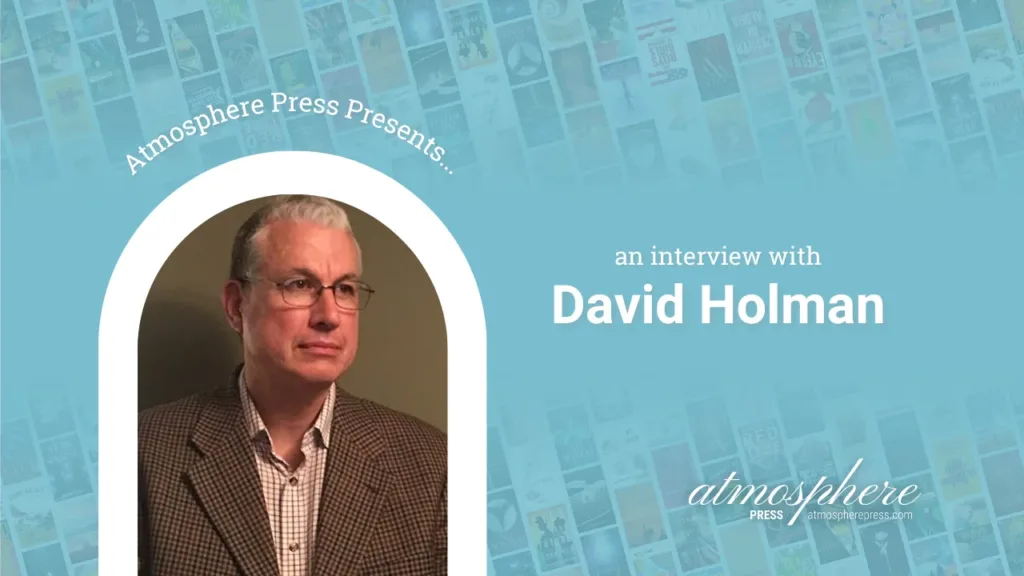
What inspired you to start writing this book?
I have always been interested in the famous crimes that have occurred in London, i.e. Jack the Ripper, the body in the suitcase, the first train murder, the poisoned umbrella assassination of a Bulgarian dissident, and the police procedurals to track down the perpetrators.
Tell us the story of your book’s current title. Was it easy to find, or did it take forever?
I wanted to combine a police procedural set in London with a spy thriller element, so thought that as the victims were ex-spies, and as spies are generally known as either spooks or shadows, I decided that I would play on this euphemism so came up with Fallen Shadows.
Describe your dream book cover.
I think my publisher, Rampart Books, really hit it with the cover for Fallen Shadows, with my dual protagonists in the foreground walking along the bank of the River Thames and Tower Bridge as a backdrop. The colours used also really suited the genre.
If your book had a soundtrack, what are some songs that would be on it?
I have a few references to songs in the book, one being Toosie Slide by Drake and Viva La Vida by Coldplay. That’s all I can think of at the moment, but if it made film or TV, then I would want a pacing instrumental to suit the mood of the screenplay.
What books are you reading (for research or comfort) as you continue the writing process?
I’m reading more on the historical murders that are centred in the book, as this is a trilogy. As for fiction, I like to read across the crime and espionage genre with Ian Rankin, Mark Billingham, and Patricia Cornwell, and for espionage I enjoy Mick Herron, Charles Cumming, and the late greats of Len Deighton, Frederick Forsyth, and John le Carre.
What other professions have you worked in? What’s something about you that your readers wouldn’t know?
I have been a lecturer of English and American literature in a college and a training consultant.
Who/what made you want to write? Was there a particular person, or particular writers/works/art forms that influenced you?
I used to write non-fiction articles and school literature texts study guides. It was while researching for an article for an aviation magazine that I became embroiled in the political shenanigans of a particular Cold War prototype aircraft, and as I have always enjoyed spy fiction, since I was fifteen when my father handed me a copy of The Day of the Jackal to read, I thought this true story would make a great spy novel. I put this to my editor, and he turned around and said, “Why don’t you write it, David?” So, I did, then came a sequel, and now I’m writing the eighth and final novel in my Alex Swan spy thriller series under my real name.
Where is your favorite place to write?
I have my own writing room/ home office which I have personalised with bookcases and memorabilia related to my novels. I have a 1930s bureau desk and an antique captain’s chair which I go to every morning.
What advice would you give your past self at the start of your writing journey?
Read more books on the genre you wish to pursue. You cannot read enough. It is also beneficial to read the classics and books outside the genre from time to time to really get an appreciation for the written word.
What’s one thing you hope sticks with readers after they finish your book?
That they want to read more about my work and cannot wait to be reacquainted with my characters again.
 An Interview with M. LaRose, author of Lost in the Hall of the Mountain King
 An Interview with Kara Jacobson, author of Lady Ghost
 An Interview with Anne S. Gallagher
 An Interview with A. E. Jones