An Interview with Julie Cruse
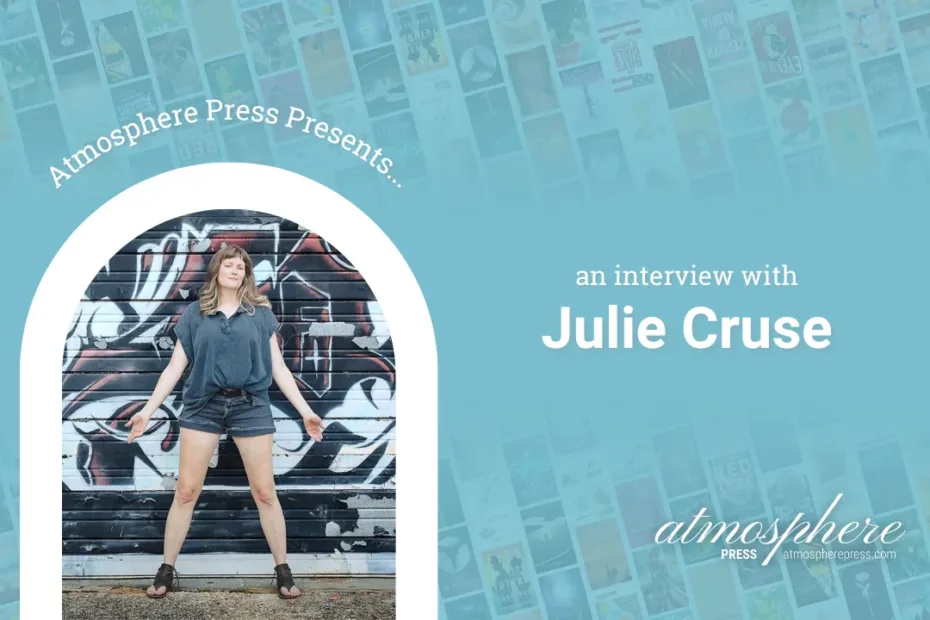
Julie Cruse has over two decades experience working at the intersection of higher education and innovation across public, private, and elite universities. She has led initiatives to create alternative pathways for student success and systemic reform. Her work reflects a deep commitment to equity and survivor advocacy.
She is the founder of AcademicAbuse.com, a platform born from personal and observed experiences with institutional harm. It offers anonymous reporting, education, and tools for action—amplifying stories too often ignored.
These days, she gardens, cares for feral and adopted animals, and still pet sits on the side.
This is her first book.
Tell us the story of your book’s title. Was it easy to find, or did it take forever?
Actually, many of my book chapter titles were on the table for consideration as the title of the book itself. But I ruled them out when I did searches for comparable literature. Eventually, I decided that the book’s final title should also serve as a hashtag, so that people could use it to share stories of their own. As I was writing, I kept thinking of the song On the Turning Away by Pink Floyd. And there’s a line in there, “mesmerized as they light the flame,” that really symbolizes speaking out about systemic injustice. Combined with the number of stories throughout the book that draw on fire, metaphorically or literally, it was a natural image to tie the whole work together.
How did it feel when you first saw your book cover? Or when you first held your book in your hands?
Wow. There are no words. Maybe there’s one: surreal.
Who/what made you want to write? Was there a particular person, or particular writers/works/art forms that influenced you?
I actually had no intention of writing a book. I was just writing for myself. But my better half (himself a writer) told me that if I got to thirty pages, I had a book on my hands. Once I got to 180,000 words, I figured maybe I should try to do something with it? The rest evolved from there.
What was the most rewarding/meaningful part of publishing your book?
Readers are the best part! I mean, I can tell my story, but what does it matter if nobody reads it? And yes, it’s cathartic to get it all out on paper and in print form. It’s also bewildering to me that this book might outlive me. But really, the best part is when my story comes alive in someone else’s hands.
Readers of my book share trauma of their own. And when they reach out to tell me that they felt validated, or less alone, or that they better understand what happened to them after reading my words, a bond is created. It’s so powerful. And empowering.
If your book had a soundtrack, what are some songs that would be on it?
There’s an album by SOHN called Tremors that comes readily to mind. Right around the time it came out, blocked memories of a horrific childhood event resurfaced for the first time. That event, which is the opening scene in my memoir, set the entire rest of my life in motion. I’d tell people to listen to the last track, Tremors, on that album when they read the prologue. If they can handle it.
What is one thing you hope readers take away from reading your book? How do you envision your perfect reader?
Well, if I’ve done my job, I don’t need to spell it out beyond the book. But I do get asked this a lot. And I think it’s important to hear it directly from me. But my answer depends on the reader. For college-bound students and their families, the book is a warning. For women, I hope my book teaches them to recognize coercive control so that they can avoid abusers before it’s too late. And for faculty and leaders in higher education, I hope this book leads them to pay closer attention to the environments they create and to intervene when a colleague or student is being targeted by bad actors. But if that doesn’t happen, then my book should serve as a check against their power, showing them what could happen if someone they harmed, or didn’t help, chooses to speak out on their own.
What creative projects are you currently working on?
I spend just about all of my time working on academicabuse.com and related projects. My podcast, The Academic Verdict, is launching in May 2026. That’s where I interview survivors of misconduct in higher ed and discuss what they think needs to change. I’ve also created a workbook for recovering from academic identity erosion. And then there’s my petition for Double-Blind Title IX. All of this, and more, lives on academicabuse.com, and you can get access to all of it by clicking subscribe.
How was working with Atmosphere Press? What would you tell other writers who want to publish?
The best part of working with Atmosphere Press is the creative ownership. As a survivor of lifelong abuse, I deeply valued having full power over my own story. I refuse to be censored. It’s a risk to put higher ed on blast like I did. And not many publishers are willing to touch that. Atmosphere Press did. Let’s hope that encourages other survivors to come forward.
Are you a writer, too? Submit your manuscript to Atmosphere Press.
Atmosphere Press is a selective hybrid publisher founded in 2015 on the principles of Honesty, Transparency, Professionalism, Kindness, and Making Your Book Awesome. Our books have won dozens of awards and sold tens of thousands of copies. If you’re interested in learning more, or seeking publication for your own work, please explore the links below.