
An Interview with Skye Gent
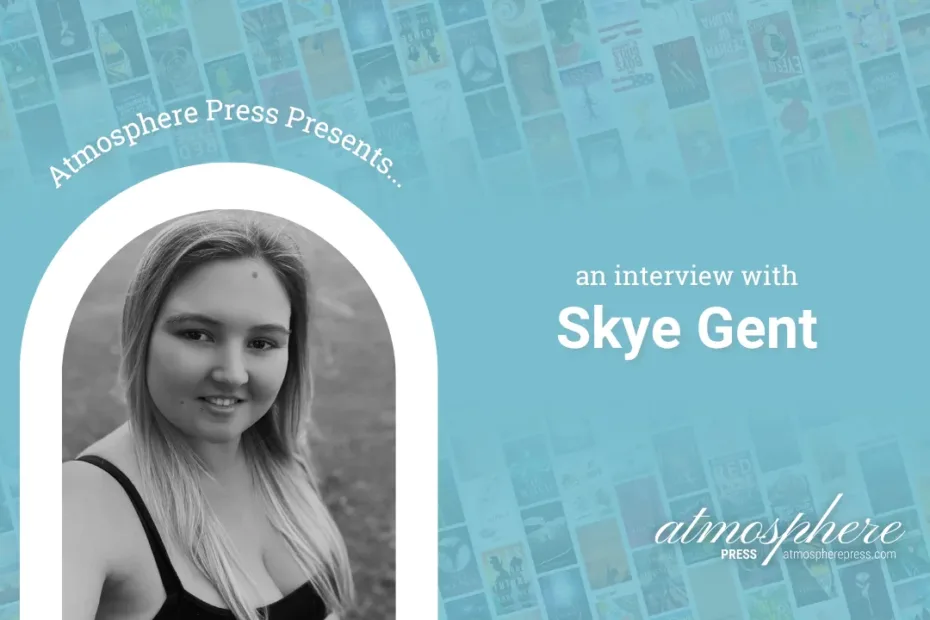
Skye Gent is a UK children’s author whose writing is rooted in one simple belief – that no child should feel alone while they’re growing up.
Before becoming an author, she trained and worked as a nurse, where she saw first-hand how deeply emotional experiences shape the way we understand ourselves. That perspective stayed with her, but it was her own lived experiences – of confusion, change, and not always having the right words or support at the right time – that ultimately led her to writing.
During her time at university, Skye was late diagnosed with dyslexia and dyspraxia at the age of twenty-one, and later with ADHD at twenty-seven while working as a nurse. These experiences, alongside her journey living with chronic pain and ongoing flare-ups, have deeply shaped how she understands both herself and others. They have also strengthened her passion for creating work that feels inclusive, compassionate, and genuinely supportive.
She began creating the kinds of stories she wishes had existed when she was younger. Stories that don’t just explain things, but gently sit alongside a child and say, “This is normal, you’re okay, and you’re not alone.”
Her debut book, Alexis and the Secret Growing Spells, was inspired by real conversations and a growing awareness that many young girls are left to navigate early changes in silence. Through soft, reassuring storytelling, Skye aims to turn those confusing moments into something more understandable, less frightening, and even a little bit magical.
Skye is also neurodivergent, which deeply shapes how she sees the world and the stories she creates. Inclusivity sits at the heart of her work – she writes for both neurodivergent and neurotypical children, with the intention of making every reader feel seen, supported, and understood.
When she’s not writing, Skye works as a pet sitter, mainly caring for dogs, and is often found writing at home with her own dog, Nala, by her side. She is also currently training as an ADHD coach, with the goal of supporting others in a more direct and meaningful way.
Across everything she creates, Skye’s aim is the same – to offer comfort, understanding, and a safe space for those navigating life’s changes – so no child feels alone in the moments they need it most.
What inspired you to start writing this book?
This book really began with a conversation that stayed with me long after it ended. A close friend shared that her nine-year-old daughter had started asking questions about her body and changes she didn’t fully understand. There was a mix of curiosity, confusion, and a quiet worry – and it really made me pause.
It made me realise just how early some children begin to notice these changes, and how often those moments are met with uncertainty rather than clear, age-appropriate guidance. I started looking into what books were available for girls aged eight to eleven, and while there were some helpful resources, many of them felt either too clinical, too advanced, or not emotionally supportive enough for that in-between stage.
At the same time, I found myself reflecting on my own experience of puberty. I remember noticing changes in my body and not fully understanding what was happening or why. There was a sense of confusion and isolation in that – like I was expected to just know but didn’t.
This book was born from that space – the gap between what children are experiencing and what support is available. I wanted to create something that feels like a gentle guide, a quiet reassurance, and a companion during a time that can feel overwhelming. Something that says, “This is normal. You’re okay. You’re not alone.”
Tell us the story of your book’s current title. Was it easy to find, or did it take forever?
It wasn’t easy, but it didn’t take forever either. The title really came together once I understood how I wanted the book to feel, not just what it was about.
I knew I didn’t want the language around puberty to feel heavy, medical, or intimidating – especially for younger readers. Words matter so much at that age. They shape how children interpret what’s happening to them.
The idea of ‘growing spells’ came from wanting to reframe those early changes in a way that felt softer and more approachable. To a child, these changes can feel sudden, confusing, and almost a bit magical – not because they are magical, but because they’re not fully understood yet. So instead of presenting it as something scary or clinical, I wanted it to feel like a natural, gentle transformation.
The word ‘secret’ reflects how many children experience these changes internally before they talk about them – those quiet thoughts, questions, and worries they often carry on their own.
Once those ideas came together, Alexis and the Secret Growing Spells felt like the right balance of honesty and softness. It invites curiosity rather than fear, which was exactly what I wanted.
Describe your dream book cover.
My dream book cover would feel like stepping into a whole world the moment you see it.
I imagine something soft and immersive, with a slightly magical, almost dream-like quality. The colours would be warm and blended – gentle purples, soft blues, hints of gold or teal – creating a calm but captivating atmosphere.
Rather than just showing a character, I’d love the cover to tell a story in itself. Maybe the main character is placed within a scene that hints at their journey – surrounded by subtle details that represent growth, emotion, and change. Small symbolic elements woven in, like light, reflections, or soft glowing details, that you don’t fully notice at first but become more meaningful over time.
I’d want it to feel layered – something that both children and adults can look at and take something from. At first glance, it feels comforting and inviting, but the more you look, the more depth you see.
The character would always feel real and relatable – age-appropriate, expressive, and grounded – even within a slightly magical or symbolic setting.
More than anything, my dream cover would make someone pause. It would feel safe, intriguing, and emotional all at once – like a quiet invitation into a story that understands you, while also giving you somewhere to escape.
If your book had a soundtrack, what are some songs that would be on it?
I have quite a mixed taste in music, and I think that really reflects in what I’d imagine as the soundtrack for the book.
For Alexis and the Secret Growing Spells, I feel like the soundtrack would centre around themes of growing up, overcoming challenges, and learning to be yourself. It would be a mix of songs that feel both comforting and empowering – the kind of music you can sing along to, but that also carries real meaning underneath.
Because the book is for young girls, I think some old-school Disney Channel music would fit perfectly alongside non-Disney pop. Those songs have such a special balance of being fun, relatable, and full of messages about identity, confidence, and navigating change – which mirrors Alexis’s journey.
Some songs I feel really capture that are:
The Climb – Miley Cyrus/Hannah Montana
Never Grow Up – Taylor Swift
Just the Way You Are – Bruno Mars
Everybody’s Changing – Keane
Wake Me Up – Avicii
Wouldn’t Change a Thing and This Is Me – Camp Rock (Demi Lovato & Joe Jonas)
Nobody’s Perfect – Miley Cyrus / Hannah Montana
Everything Is Not What It Seems – Selena Gomez
Each of these songs reflects a different part of growing up – from confusion and change, to self-acceptance and confidence. They’re songs you can sing along to, but also ones that quietly remind you that it’s okay to be figuring things out.
I imagine a soundtrack that blends:
nostalgic, feel-good songs that bring comfort;
uplifting tracks about finding your voice;
and softer, emotional songs that reflect those more uncertain moments.
For me, it’s important that the music feels accessible and relatable – something readers could genuinely connect with, while also seeing parts of Alexis’s journey within the lyrics.
I also think this kind of soundtrack would carry beautifully across the whole series, not just this first book – growing alongside Alexis as she learns, changes, and becomes more confident in who she is.
What books are you reading (for research or comfort) as you continue the writing process?
When I’m writing, I try to balance research with emotional connection.
For research, I spend time reading books and resources around puberty, emotional development, and neurodiversity – especially those aimed at younger audiences. It’s really important to me that what I create is not only supportive and relatable, but also accurate and responsible.
Some of the books I’ve found really valuable include Dirty Laundry and Small Talk by Roxanne and Richard Pink, which offer honest and insightful perspectives around neurodiversity. I’ve also loved The Extremely Embarrassing Life of Lottie Brooks for its relatable exploration of growing up and school life, The Boy with Big Decisions for its realistic portrayal of childhood challenges and emotional development, and Big Bright Feelings for its reassuring and gentle approach to emotions.
But just as importantly, I read for comfort.
I’m drawn to stories that feel warm, familiar, and emotionally safe – the kind of books that remind me what it feels like to be a reader, especially a younger one. They help me stay connected to the feeling I want to create, not just the information I want to share.
I’ve always loved magical and supernatural stories. One of my favourites growing up was The Magic Faraway Tree by Enid Blyton, and I’m so excited that it’s being made into a film – it feels really special seeing something from childhood come to life like that.
In my late teens and early adulthood, I loved the Vampire Academy series and its spin-off Bloodlines by Richelle Mead. I was drawn to the mix of mystery, friendships, growing up, and emotional depth within those stories.
Now, as an adult, I still love books that blend magic, heart, and a bit of mystery – but I’ve also developed a love for period dramas like Bridgerton. I’ve recently started the first book in the Filthy Rich Vampire series, which feels like a perfect mix of those worlds.
All of these books – whether for research or comfort – help shape how I write. They keep me grounded in emotion, connection, and storytelling that feels real, even when there’s a little bit of magic involved.
What other professions have you worked in? What’s something about you that your readers wouldn’t know?
Before becoming an author, I trained and worked as a nurse. That experience shaped me deeply – not just in terms of knowledge, but in how I understand people.
Nursing taught me how important it is to truly listen, to approach situations with empathy, and to recognise that emotional experiences are just as important as physical ones. That perspective naturally carries through into my writing – especially when I’m exploring topics like growing up, body changes, and emotional wellbeing. I think it’s helped me create stories that feel not only informative, but also safe and supportive.
Something readers might not know is that I’m also neurodivergent. That has influenced so much of how I see the world and how I write. It’s shaped my understanding of emotions, sensitivity, and the importance of feeling seen.
It’s also a big part of why inclusivity matters so much to me. I want every child – whether neurodivergent or neurotypical – to feel like there is space for them in the stories I create, and that their experiences are valid.
Alongside writing, I currently work as a pet sitter, mainly caring for dogs. Animals have always been a huge part of my life, and I have my own dog who is usually right beside me while I’m writing – my little writing companion. There’s something really grounding about that.
I’m also currently training as an ADHD coach, with the goal of supporting others in a more direct and practical way. Everything I do – whether it’s writing, coaching, or working with animals – is rooted in the same intention: creating safe, understanding spaces where people (and animals) feel cared for.
Who/what made you want to write? Was there a particular person, or particular writers/works/art forms that influenced you?
For me, writing didn’t come from one single moment or one particular person – it was something that built over time.
It came from a combination of my own experiences, the conversations I’ve had with others, and a growing awareness that there were certain stories and support that felt missing when I was younger. I didn’t necessarily see myself reflected in the way I needed, especially when it came to topics like growing up, emotions, and understanding changes in my body.
That stayed with me.
I’ve always been drawn to stories that feel immersive and comforting – especially magical worlds like The Magic Faraway Tree when I was younger. There was something about that sense of wonder and escape that made stories feel safe.
As I got older, I found myself connecting more with stories that explored relationships, identity, and emotional depth – like the Vampire Academy and Bloodlines series. I loved how they balanced friendships, growth, and real-life challenges alongside more imaginative elements.
I think those influences naturally shaped how I write now – blending something gentle and sometimes magical with real, honest experiences.
But more than any specific book or author, what truly made me want to write was the feeling that stories can help. They can make someone feel understood, less alone, and more confident in themselves – while also giving readers a place to escape, even if just for a little while.
That’s what stayed with me – and that’s what I wanted to create for others.
Where is your favorite place to write?
My favourite places to write are cafés and at home – especially when I can sit in the sun.
There’s something about the gentle background noise of a café that helps me focus, but when I’m at home, it’s a completely different kind of calm. Sitting in the sunshine with my dog Nala beside me is probably my favourite of all. She’s usually curled up nearby while I’m writing, and it just creates such a peaceful, grounding environment.
I think I write best in spaces that feel relaxed and safe – where I can slow down and really connect with the story.
What advice would you give your past self at the start of your writing journey?
I would tell myself that it’s okay not to have everything figured out.
You don’t need the full plan. You don’t need perfection. You just need to start.
I’d remind myself that self-doubt is part of the process – it doesn’t mean you’re on the wrong path. It just means you care.
I’d also tell myself not to give up. To keep going, even when it feels hard. Not to let other people’s opinions tear you down, and just as importantly, not to tear yourself down either.
And most importantly, I’d say: The stories you’re telling matter. Even if you can’t fully see that yet, they will mean something to someone – and that’s enough to keep going.
What’s one thing you hope sticks with readers after they finish your book?
That they are not alone.
That what they’re experiencing is normal, and that it’s okay to feel unsure, emotional, or curious. Those feelings are all part of growing up.
Most importantly, I want them to feel that growing up doesn’t have to be scary – especially when they have the right support around them. I hope the book helps them feel able to talk to someone they trust, whether that’s a parent, carer, or another safe adult, and to know they deserve to feel supported and understood.
If they finish the book feeling a little more reassured, a little more confident, and a little less alone, then it’s done exactly what I hoped it would.
Are you a writer, too? Submit your manuscript to Atmosphere Press.
Atmosphere Press is a selective hybrid publisher founded in 2015 on the principles of Honesty, Transparency, Professionalism, Kindness, and Making Your Book Awesome. Our books have won dozens of awards and sold tens of thousands of copies. If you’re interested in learning more, or seeking publication for your own work, please explore the links below.