Who/what made you want to write? Was there a particular person, or particular writers/works/art forms that influenced you?
Did you know?
– Seventy-six percent of the human population suffers from glossophobia – the fear of public speaking.
– Most fear of failure comes from not knowing who we are or who our audience is.
– Chemicals like cortisol, dopamine, and oxytocin are released in the brain when we’re told a story.
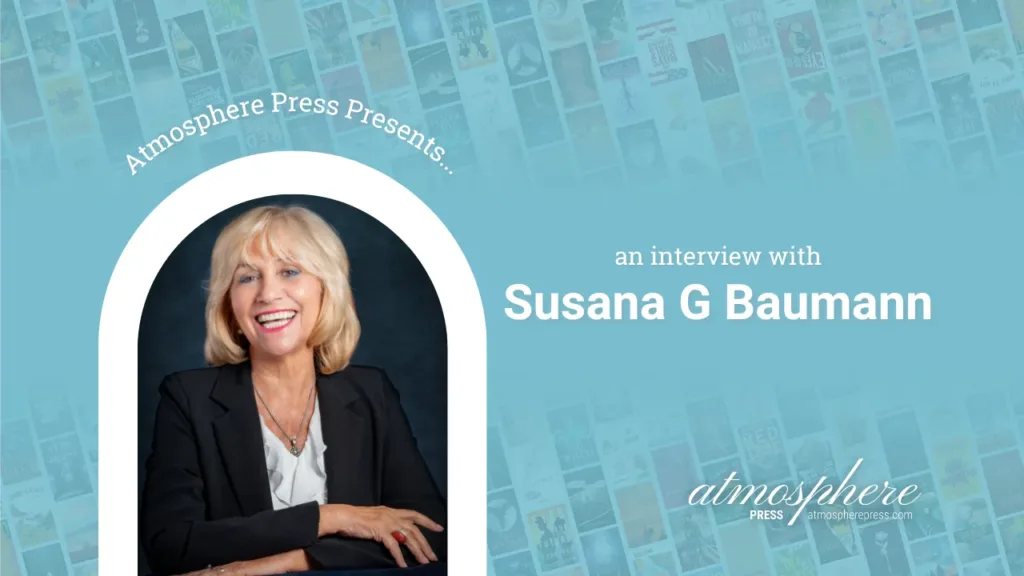
I wrote Speak Up! Tell Your Story to Influence Others – A Guide to Storytelling with a Multicultural Approach to lead readers in their journey of self-awareness. Most public speakers talk about a topic but seldom talk about how the topic relates to them. Now that’s the story your audience wants to hear!
If you’ve ever felt that traditional leadership communication advice doesn’t quite fit your background or your audience, you’re not wrong. In my research, I found that personal brand storytelling was never linked with multicultural leadership communication. So, I decided to write a guide to help you build authentic thought leadership that is uniquely, powerfully yours.
With this multicultural approach to storytelling, readers are guided to find their best values, character traits, cultural attributes, and leadership skills to forge the stories that are important to them and make them UNIQUE.
Tell us the story of your book’s title. Was it easy to find, or did it take forever?
A book’s title should never be an afterthought. Beyond being catchy, it must reflect what’s inside. Balancing excitement with assurance proved to be a real challenge — but ‘speak up!’ captured the invitation I wanted to extend to readers. ‘Story’ and ‘influence’ grounded the topic, while ‘multicultural’ became the distinguishing word that set this guide apart from similar books on the shelf. The right title takes time, and this one was no exception!
What part of publishing your book made it feel real for the first time?
I would agree with many authors that seeing your author’s copy is the most ‘real’ and exciting feeling. Paper has a magic attraction that is hard to replace!
What’s one thing you hope sticks with readers after they finish your book?
In workshops I’ve led on this book, participant responses told a consistent story: most said it changed how they see certain character traits and cultural attributes — ones they had never thought to value, or had even written off as liabilities to their leadership skills. The greatest accomplishment any of us can achieve is discovering who we truly are, in all our complexity, and being valued for exactly that.
What creative projects are you currently working on?
My third book marks a departure from non-fiction into women’s fiction, with history as its anchor. But the story, as stories do, found its own direction. What began as historical fiction became a social thriller set against the dark years of Argentina’s military dictatorship. Still editing, but nearly there.
 An Interview with Cindy Kate Wills
 An Interview with Kimberly Heiman
 An Interview with Sehaj Kasture
 An Interview with Mike Michalak