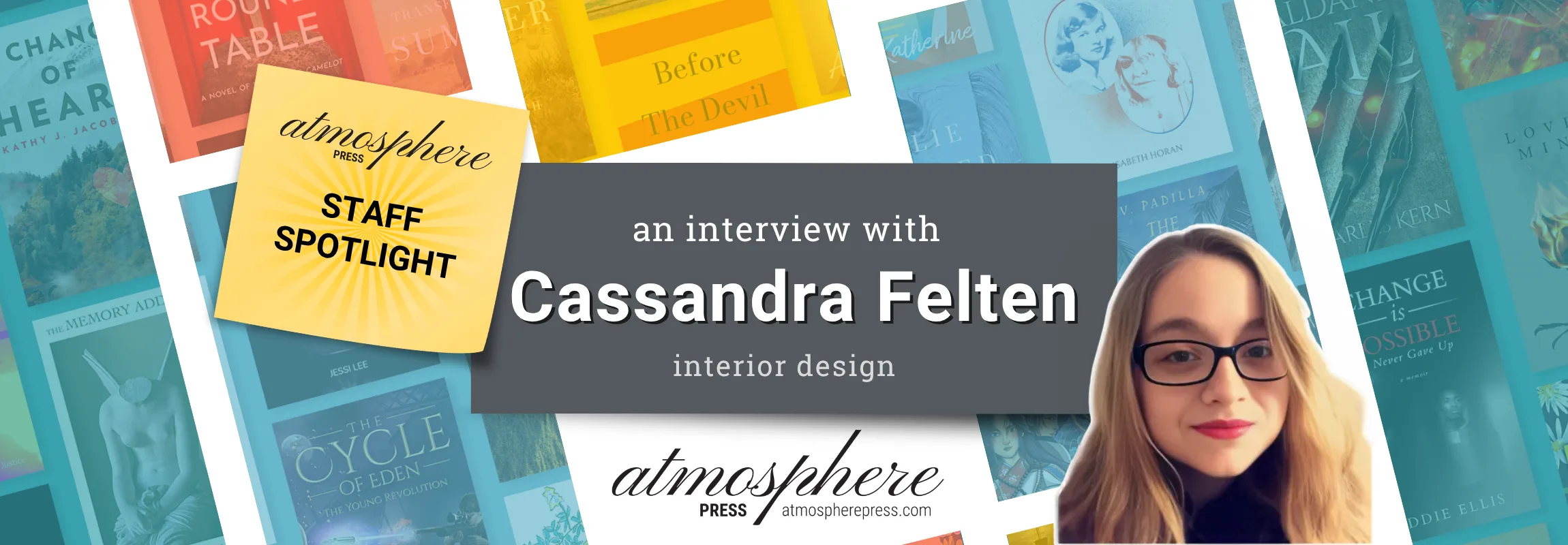
Cassandra (she/her) graduated from Indiana University in December 2020 with a bachelor’s in English literature and minors in creative writing and psychology. She has experience in many aspects of book publishing, but she found her passion in interior book design with Atmosphere Press. Now, she loves her job of helping every Atmosphere author perfect their book before falling into the hands of readers – and new fans!

Eco-fiction is literature that places the environment at the heart of storytelling—not just as a backdrop, but as an essential force. These are novels and short stories that engage directly with ecological themes: climate change, biodiversity, sustainability, and the fraught, fascinating relationship between humans and the natural world.

The honest truth is that most authors don’t make a substantial amount of money selling their book. It’s a crowded marketplace, with lots of choices for readers, and it’s difficult to carve out a niche and promote your work to the extent necessary to make thousands and thousands of dollars in sales returns. This is true of all authors, not just those who publish with us.

As writers, we are the architects of worlds, the creators of dreams and nightmares alike. And in the realm of dark fantasy, our pens become the wands that summon forth demons and dragons, witches and warlocks, heroes and antiheroes locked in an eternal dance of light and darkness.

Embarking on the journey of publishing your book is an exhilarating adventure, but it’s crucial to navigate the landscape with discernment and insight. One aspect that warrants careful consideration is the distinction between hybrid publishers and vanity presses (also known as author-funded or subsidy presses).

The beauty of using sentence and word counts is that these patterns become visible. Instead of relying on vague feelings like “this section feels slow,” you can point to concrete data: “I have twelve consecutive sentences over twenty words in what should be my most intense scene.”

Are you ready to embark on a thrilling adventure into the world of publishing? Whether you're a seasoned wordsmith or a budding author, an attractive cover letter is the golden ticket to capturing a publisher’s attention and getting your book on shelves. Though writing a cover letter can be a daunting task, fear not! We’re here to help unravel the mysteries of crafting an engaging, effective cover letter.

But here’s the thing I’ve learned since then, both as a reader and a writer: endings are ridiculously hard to get right. Your final pages carry enormous weight—they’re what readers remember, what they talk about, what makes them either slam your book shut in satisfaction or immediately start hunting for the sequel.
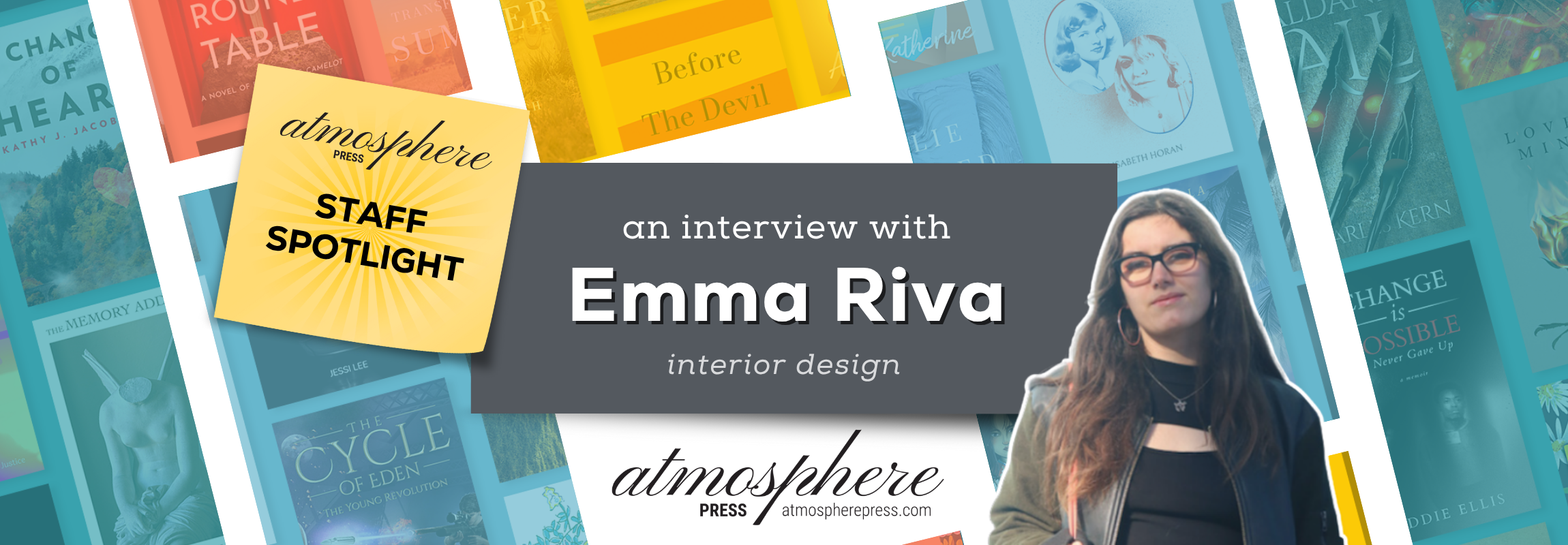
Emma Riva is a writer based in Pittsburgh. She is the founder of Petrichor Magazine and a contributor to publications such as Artforum, The Art Newspaper, and Whitehot Magazine. She has worked for Atmosphere as an interior designer for 3 years and worked in book design in some form for almost 10.

The magic happens when you stop thinking about writing for an age group and start thinking about writing to real people who just happen to be that age. Kids aren’t small adults, teenagers aren’t dramatic kids, and adults aren’t just older teenagers. Each group has its own wisdom, its own way of seeing the world, and its own stories that need telling.