Finding your way into writing—whether it’s the first project or the fiftieth—can feel strangely difficult. Sometimes the hardest part isn’t the writing itself, but the getting started. What helps most is having a few steady tools, a bit of structure, and a mindset that keeps the pressure low while the momentum builds. With the right approach, that overwhelming blank page can start to look a lot more inviting!
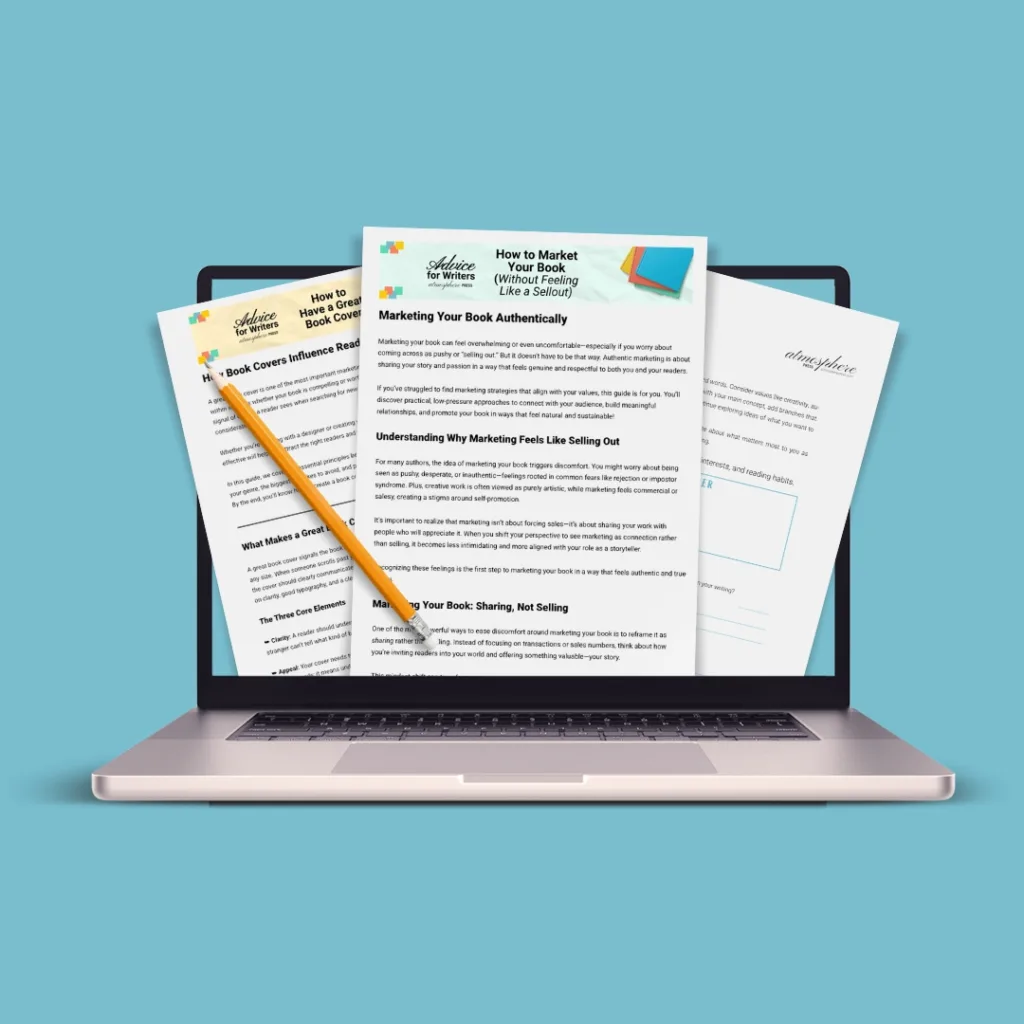


Writing for blogs is not the same as writing a book, a short story, or even an academic article. It requires a unique approach, tone, and strategy to capture the online reader’s attention. The key is to understand the art of writing blogs, what makes them stand out, and how to maximize your reach in an oversaturated digital landscape.

While memoir, middle grade, and YA may not be the most popular genres to write in today, they offer a wealth of opportunity for authors who are willing to take on the challenge. These genres are ripe for fresh voices, authentic stories, and new perspectives that resonate with readers in meaningful ways.

For many poets, social media can seem daunting. The idea of reducing profound emotions into character limits or crafting an aesthetically pleasing post may feel foreign. But with the right strategy, social media can transform a poet’s reach, turning casual browsers into devoted readers.

There’s something powerful about putting emotions into words. When we write stories or poetry, we aren’t just expressing feelings—we’re transforming them. Whether creating a character who struggles like we do or crafting a metaphor that captures something too difficult to say outright, writing helps us work through emotions that might otherwise stay bottled up.

A writing retreat is a dedicated period of time and space set aside specifically for writing. During a retreat, you can focus entirely on your creative projects without the usual interruptions from everyday life. This focused time can lead to increased productivity, enhanced creativity, and a deeper connection to your writing.

Perfectionism in writing often arises from a fear of failure or criticism. We set impossibly high standards, believing that anything less than perfection is unacceptable. This mindset creates a vicious cycle: fear leads to procrastination, procrastination breeds guilt, and guilt reinforces the belief that we are “failing” as writers.

At its core, a story bible serves one purpose: to keep your story consistent. It’s where you track character descriptions, relationships, settings, world-building rules, plot timelines, and more. Whether you’re writing a standalone novel, a trilogy, or an entire fictional universe, your story bible becomes the anchor that holds everything together!

Obsession in literature refers to a character’s persistent and intrusive focus on a particular person, idea, or goal—often at the expense of their well-being, relationships, or even sanity. This intense preoccupation can drive plots forward, create compelling conflicts, and offer deep psychological insight into characters.

A book press kit is a collection of promotional materials that offer detailed information about you, the author, and your book. It’s designed to make it easy for media professionals to write articles, conduct interviews, or feature your book in their publications. By providing all the necessary details in one place, you increase the likelihood of gaining media coverage and reaching a broader audience.