An Interview with Amanda Camin
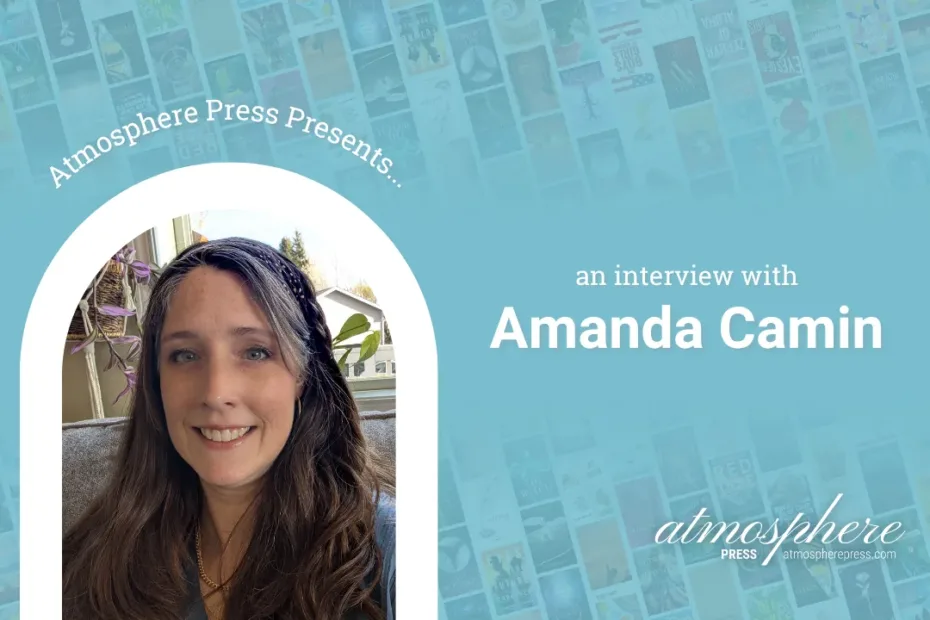
Born and raised in North Idaho, Amanda taught K-12 in both private and public schools, raised three children (plus many, many more cats), and spent over a decade as a nurse in urgent care and pediatrics before renewing her childhood passion for writing.
Amanda has always processed life through creativity, especially music. She’s written dozens of songs to cope with the physical hardships, joy, and loss that life brings. When that doesn’t work, she escapes into books. Though Amanda has written many articles and devotionals, she’s currently working toward publishing her first YA novel. Her hobbies include baking gluten-free treats that actually taste good, playing piano and singing at church, and hitting home runs on her softball team (admittedly, this hasn’t happened since her twenties, but she still tries).
Who/what made you want to write? Was there a particular person, or particular writers/works/art forms that influenced you?
I’ve always enjoyed writing. When I was very young, I’d go to work with my mom, settle at the old typewriter in the corner, and punch out the stories swirling in my head. My mother, a summer camp secretary, encouraged all things creative. She went back to school in her late forties to study creative writing, showing me it didn’t matter how old you were when it came to pursuing your interests. Whether my writing was any good or not, she always pushed me to enter essay and story competitions, insisting that what I wrote was worth reading.
Then, with the purchase of my first Kindle, I discovered a new author I couldn’t stop reading: R. J. Larson. Her fantasy books drew me in, and I knew I wanted to write something of my own.
What inspired you to start writing this book?
I originally found inspiration for A Thread of Truth while homeschooling my youngest daughter, who is very precocious and an avid reader. I saw a need for clean, meaningful books for her age. Now, I think of my great-nieces who are entering middle school and how much influence the right book can have at that age. My goal as a writer is to help bridge the gap between middle-grade and young adult literature and bring a little light into a dark world.
In this low-fantasy story, Penelope, fourteen, is the only one who believes in the fairytale of a king. She follows the triquetra, a symbol only she can see, toward the forbidden ocean, uncovering a history her mother would do anything to forget and the rulers of Gara would kill to erase. It’s an adventure searching for truth that kids can relate to in this era of noise. It highlights the unfair weight we sometimes bear in life and the quiet strength of faith.
Tell us the story of your book’s title. Was it easy to find, or did it take forever?
I was well into the revision process before I had a title. The manuscript is still saved on my computer simply as “Penelope,” since she is the protagonist and I had no idea what shape the story would take. I did a lot of digging in the manuscript itself, coming up with about sixteen different title options after the rough draft was complete. Originally, the title was going to be “Sign of the Triquetra,” but an agent told me that was too obscure since very few people know what a triquetra is. I finally took the title from something Penelope’s grandmother says at the beginning and end of the book—a thread that runs throughout the story (no pun intended). That’s how I settled on A Thread of Truth.
What other professions have you worked in? What’s something about you that your readers wouldn’t know?
As I mentioned previously, my mother was the secretary at a summer camp, though her position was year-round. I spent a lot of my childhood running through the woods, creating characters and stories in my head which I then typed at the end of the day, back in her office. So, it was natural that my first job would be on the camp staff. I started assisting with meals and washing dishes for off-season events in middle school, transitioning to full-time summer staff as a teenager. I vacuumed, hauled trash, cleaned bunks and bathrooms, lent out canoes and golf putters … and it was the best time of my life. I did a lot of growing into myself during that time and had the added bonus of a paycheck.
I was a dining hall manager in college and made coffee at the admin kiosk. When I married and started a family, I decided to stay home to raise my kids, taking the occasional substitute job at various grade levels, then worked part time at the local Starbucks for some extra income. When my children grew to school age, I taught at a private school, where I was blessed to have them on campus with me.
During this time, I started entertaining the idea of going back to school to become a nurse. I’d had some poor experiences with nurses during difficult periods of my life, but also some positive ones. I decided the world needed more compassionate nurses, so I took that path when it opened up, working part time as a youth leader and program director at my church to pay for another round of college.
I’ve loved my time as a nurse, and I’m fortunate to have spent the last nine years as a school nurse, caring for both the mental and physical well-being of children.
What books did you read (for research or comfort) throughout your writing process?
Lots of middle-grade and young adult fantasy since that’s what I write. Some of my favorites include the Endling series by Katherine Applegate (her writing is phenomenal), The False Prince by Jennifer A. Nielsen (again, because it’s one of my favorites!), The Gilded Ones by Namina Forna (loved the unexpected twist), Twin Crowns by Catherine Doyle and Katherine Webber (witty and fast-paced—such a fun read), The Story Peddler by Lindsay A. Franklin (inspiring, imaginative magic), and Beast by Chawna Schroeder (pulled me in, I felt like I was the beast throughout the story).
What advice would you give your past self at the start of your writing journey?
Just write! Don’t get bogged down with all the webinars, YouTube videos, books, and articles with advice on how to write. You can worry about that later. First, get the story out that you long to tell. Remember what it felt like to write with joy, passion, and abandon back in elementary school.
What’s one thing you hope sticks with readers after they finish your book?
I wrote this for teens who need to see hope in this dark world. My dream is that they will close the book encouraged to lead with love, live honestly, and stand firm in who they are. I also hope they will see the value and importance of family and community.
Are you a writer, too? Submit your manuscript to Atmosphere Press.
Atmosphere Press is a selective hybrid publisher founded in 2015 on the principles of Honesty, Transparency, Professionalism, Kindness, and Making Your Book Awesome. Our books have won dozens of awards and sold tens of thousands of copies. If you’re interested in learning more, or seeking publication for your own work, please explore the links below.