An Interview with Luis Culver
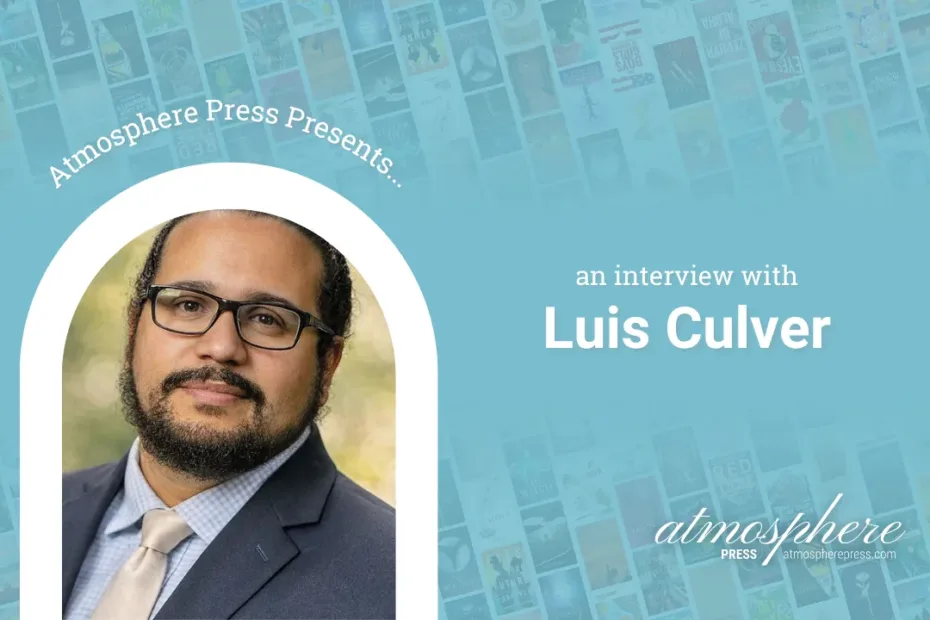
Luis Culver is an army veteran, author, and leadership advocate with more than twenty years of military and federal service, including roles with the Department of Defense and Department of Veterans Affairs.
His debut book, Leave Them Better: Essays on Leadership, grew from reflections originally shared on LinkedIn into a collection of practical lessons on leadership, people, and organizational improvement.
Luis holds an MBA and believes leadership isn’t about having all the answers, but about making a positive difference and leaving people, processes, and organizations better than you found them.
He and his wife have been married for over twenty years and have seven children.
What inspired you to start writing this book?
It actually started with LinkedIn posts. I had some things I wanted to say about leadership, people, and lessons I’d picked up over the years. But I kept running into the character limit, and honestly, some of those thoughts felt too important to squeeze into a social media post that someone might read today and forget tomorrow.
I wasn’t setting out to become an author or start a publishing company. I just felt like I had more to say, and a book gave me the room to say it properly.
That became Leave Them Better. And what started as a way to share a few lessons eventually grew into Red Folder Press. I certainly didn’t see all of that coming when I was trying to figure out how to fit one more thought into a LinkedIn post.
Tell us the story of your book’s current title. Was it easy to find, or did it take forever?
The title came pretty naturally. As I started putting my thoughts together, I realized everything I wrote kept coming back to the same idea: leaving people, processes, and organizations better than I found them.
Whether I was writing about leadership, workplace culture, or lessons learned along the way, that philosophy was always there. Leave Them Better just fit. It wasn’t complicated or particularly clever, but it said exactly what I wanted the book to say.
Describe your dream book cover.
Something simple, meaningful, and easy to recognize. I don’t need a lot of flashy graphics or complicated imagery. I want a cover that catches someone’s attention, makes them curious enough to pick up the book, and reflects what’s actually inside. For Leave Them Better, I wanted something that felt approachable rather than another corporate leadership textbook.
If your book had a soundtrack, what are some songs that would be on it?
“Hussle & Motivate” by Nipsey Hussle and “Humble and Kind” by Tim McGraw. Two very different artists, but both speak to how I try to approach life and leadership. Work hard, keep pushing, help others along the way, and don’t lose sight of how you treat people. You can be ambitious and still be a decent human being. I think both songs capture different sides of what Leave Them Better is about.
What books are you reading (for research or comfort) as you continue the writing process?
I’ve been reading The Winner’s Manual by Jim Tressel. I enjoy books that connect leadership principles to real experiences rather than just theory. Tressel’s approach to discipline, accountability, and developing people resonates with me. I’m always interested in how lessons from one environment, like coaching football, can apply to leadership in completely different settings.
What other professions have you worked in? What’s something about you that your readers wouldn’t know?
I’ve spent most of my professional life in public service, starting in the army and continuing into civilian roles with the Department of Defense and Department of Veterans Affairs. I’ve worked in medical logistics, operations, and organizational improvement, but regardless of the job, people have always been at the center of it.
Something readers might not know is that my wife and I have been married for over twenty years, and we have seven children. So, I’ve had plenty of opportunities to practice patience, communication, and leadership outside the workplace. My kids aren’t nearly as impressed with my leadership experience as my résumé might suggest.
Who/what made you want to write? Was there a particular person, or particular writers/works/art forms that influenced you?
There wasn’t any particular writer who inspired me to start writing. I really didn’t know how to approach it, so I just started writing the way I speak. I get my thoughts down as if I’m having a conversation with someone, then go back and edit until they make sense to someone who isn’t inside my head.
I’m sure there are more technical ways to go about it, but that’s what works for me. I want people to feel like we’re having a conversation, not like they’re sitting through a lecture.
Where is your favorite place to write?
Usually in bed or in my office, early in the morning before the stress of the day kicks in. That’s when my mind is clearest and I can actually hear myself think. Once the day gets going, there are a hundred other things competing for my attention. Those quiet morning hours give me a chance to get my thoughts down without all the distractions.
What advice would you give your past self at the start of your writing journey?
I’m not sure I’d give myself advice. I’d probably just laugh and say, “Dude, you’re an author!” I never saw that coming. What started as a few thoughts that wouldn’t fit into a LinkedIn post turned into an actual book. I’m still getting used to the idea.
What’s one thing you hope sticks with readers after they finish your book?
I don’t have all the answers; I don’t pretend to, and that’s okay. I’m just sharing what I’ve learned along the way. If something in the book makes someone stop, think, or approach a person or situation a little differently, then I’ve accomplished what I set out to do. At the end of the day, you don’t have to have all the answers. Just try to leave people, processes, and organizations a little better than you found them.
Are you a writer, too? Submit your manuscript to Atmosphere Press.
Atmosphere Press is a selective hybrid publisher founded in 2015 on the principles of Honesty, Transparency, Professionalism, Kindness, and Making Your Book Awesome. Our books have won dozens of awards and sold tens of thousands of copies. If you’re interested in learning more, or seeking publication for your own work, please explore the links below.